
 Save
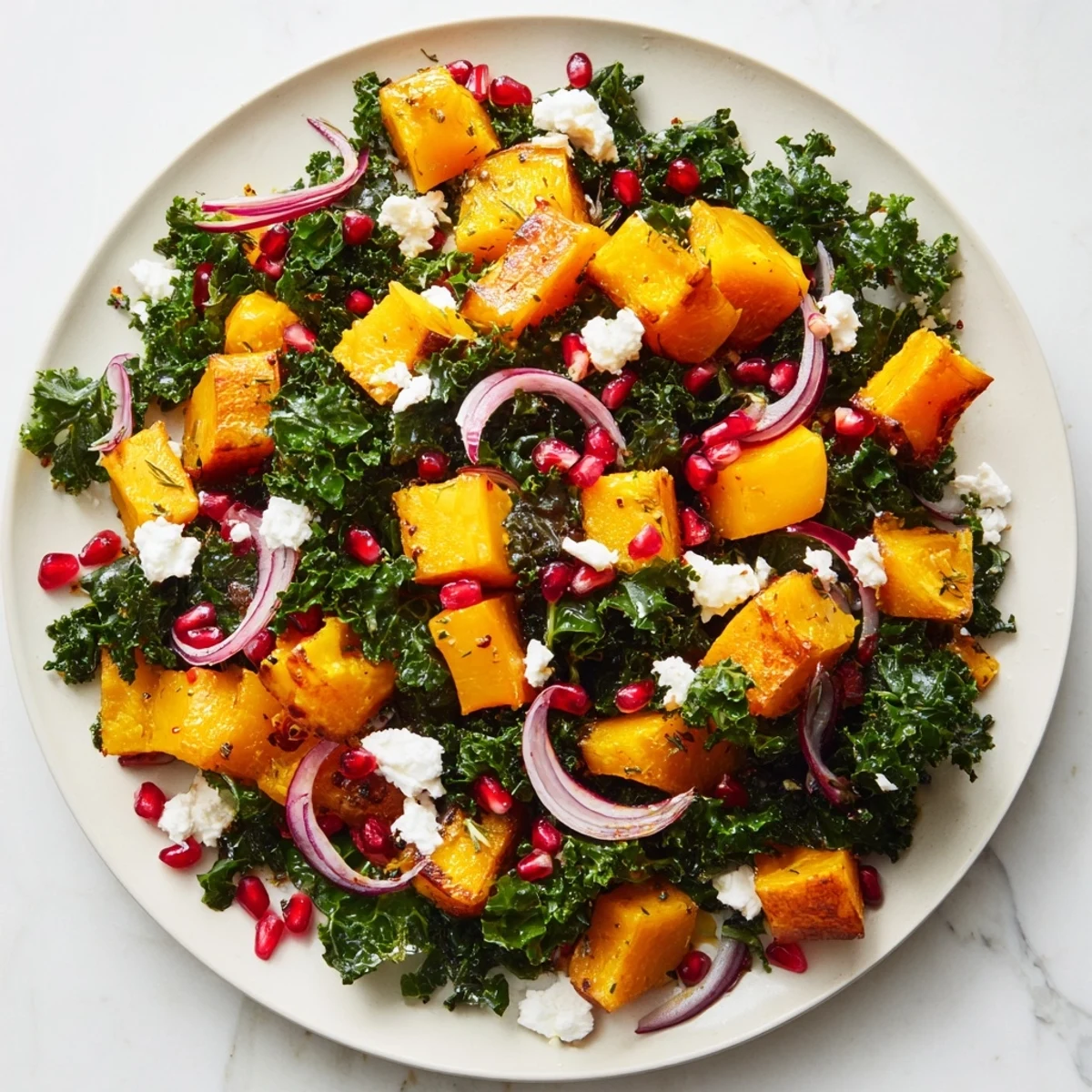
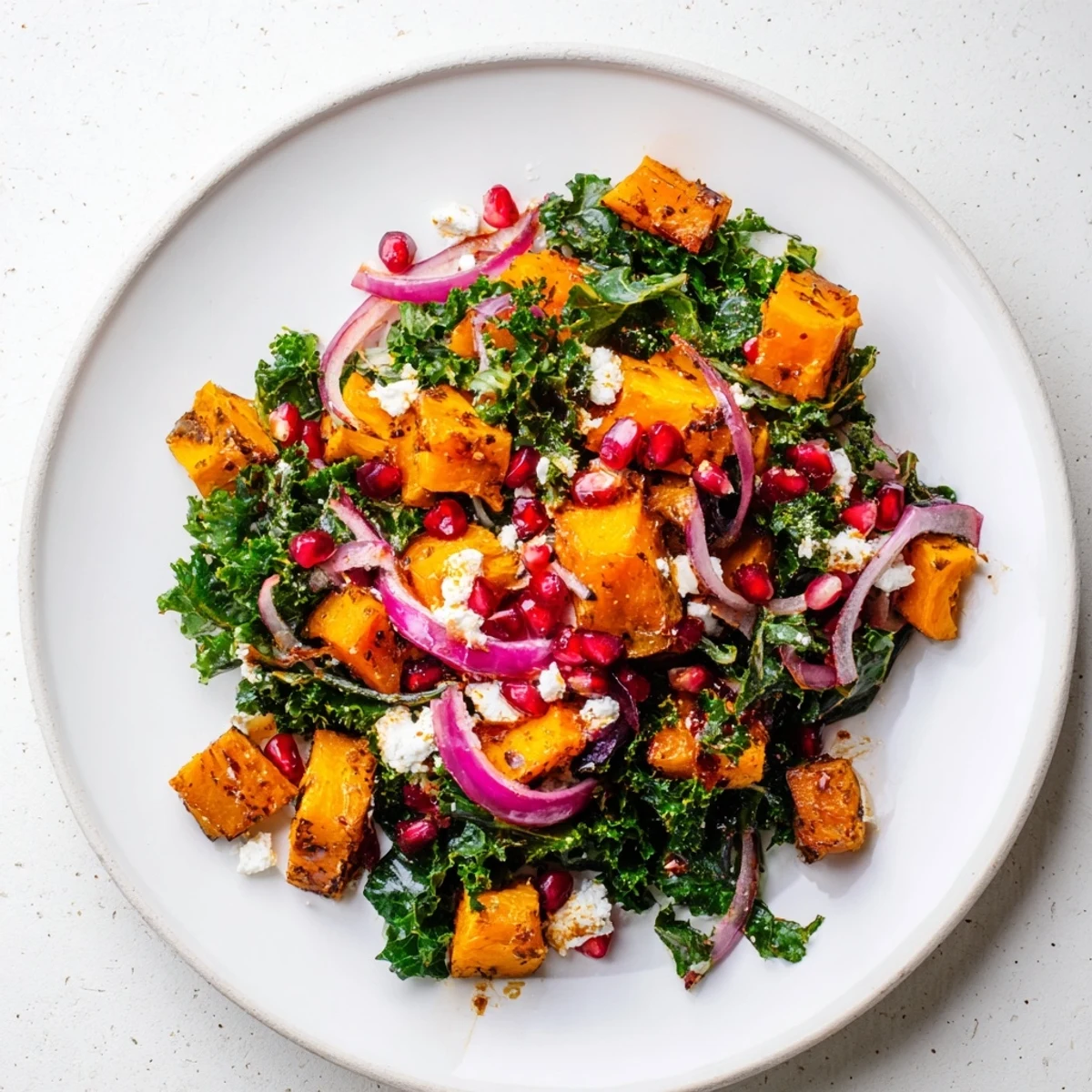
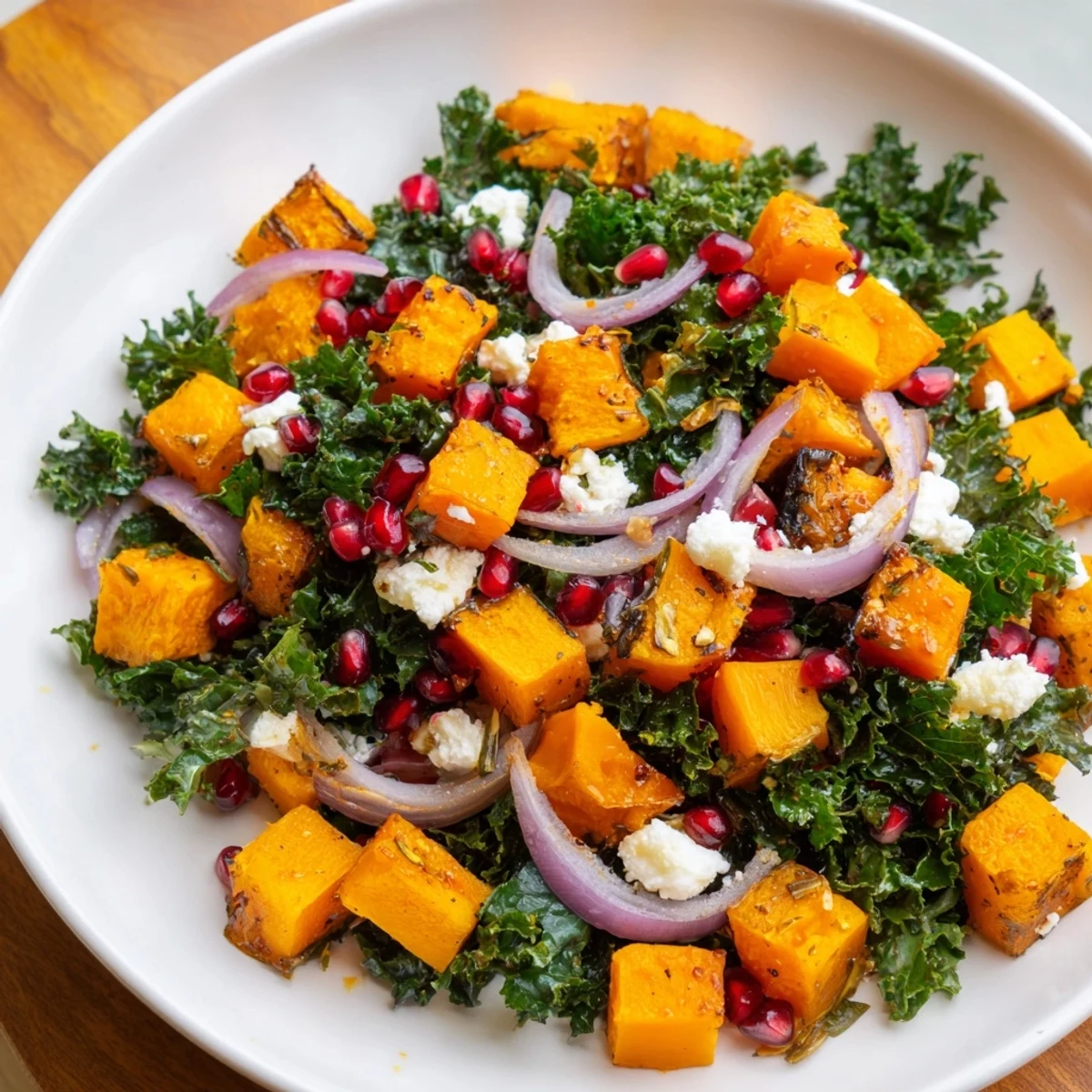
Save This vibrant winter dish features chopped kale massaged to soften, paired with sweet roasted butternut squash and juicy pomegranate seeds. Toasted nuts add a satisfying crunch, while a maple-mustard vinaigrette brings bright, tangy notes. Optional crumbled feta or goat cheese enhances the creamy texture. Easy to prepare in under an hour, this salad offers a balanced combination of flavors and textures perfect for chilly days.
I discovered this salad on a crisp November afternoon when I was determined to use up the butternut squash my farmers market visit had left me with. I wanted something that felt both comforting and bright, something that would make winter vegetables feel like a celebration rather than a consolation prize. The moment I tossed those warm, caramelized squash cubes with the massaged kale and heard that satisfying crunch of pomegranate seeds, I knew I'd found my go-to cold-weather favorite.
I remember making this for a dinner party last December when my best friend mentioned she was tired of heavy winter meals. When she took that first bite, her whole face lit up—and I watched as she went back for seconds before anyone else had even finished their first serving. That's when I knew this salad had real staying power.
Ingredients
- Kale (1 medium bunch): Choose lacinato or curly kale—it has enough substance to stand up to the warm squash and heavy dressing without wilting into nothing. The massage step is non-negotiable; it transforms the texture from tough to silky and teaches your kale to actually taste good.
- Butternut squash (1 small, about 500g): This is where the magic happens. The natural sugars caramelize in the oven, creating these little golden, sweet morsels that feel indulgent. Don't skip the turning halfway through; it ensures even roasting.
- Red onion (1 small): Slice it thin enough that you can see light through it. Red onion adds a sharp, fresh bite that cuts through the richness of the cheese and oil.
- Pomegranate seeds (1/2 cup): These jewel-like bursts of tartness are the surprise element that keeps your palate interested. Buy them pre-seeded if you're short on time—it's worth it.
- Toasted pecans or walnuts (1/3 cup): Toast them yourself if you can. There's a difference between pre-toasted and fresh-toasted that you'll notice immediately in the aroma alone. They add a buttery depth that feels almost luxurious.
- Feta or goat cheese (1/3 cup, optional but encouraged): The creamy saltiness anchors the whole salad. If you skip it for vegan purposes, the salad still works beautifully, but you lose a dimension of comfort.
- Extra-virgin olive oil (3 tbsp): Use the good stuff you actually like the taste of. This isn't the time for an oil you tolerate.
- Apple cider vinegar (1 tbsp): The slight funkiness of apple cider vinegar is perfect here. It doesn't shout; it whispers a gentle tartness that makes everything else taste better.
- Maple syrup (1 tbsp): Pure maple syrup, not the corn syrup version. This is what gives the dressing its gentle sweetness and helps it balance the acidic vinegar.
- Dijon mustard (1 tsp): A small amount creates emulsification and adds a subtle sophistication that rounds out the dressing.
- Garlic (1 small clove, minced): Mince it fine. You want whispers of garlic, not garlic pieces that announce themselves.
- Salt and black pepper: Taste as you go. The cheese is salty, so adjust accordingly.
Instructions
- Heat your oven and prepare:
- Set your oven to 400°F and line a baking sheet with parchment paper. This temperature is the sweet spot—hot enough to caramelize the squash, but not so hot that it burns on the outside before softening inside.
- Roast the squash until golden:
- Toss your cubed butternut squash with a tablespoon of olive oil, a pinch of salt, and pepper. Spread it in a single layer and pop it in the oven. After about 12 minutes, when you peek and see the edges just starting to golden, give the pan a shake and turn the pieces over. This is the step that makes all the difference—even roasting is everything. Roast another 8 to 13 minutes until the pieces are so tender you could break them with your fingers and the edges have that caramelized, almost-crispy quality. You're aiming for golden, not burnt. Let it cool while you prep the other components.
- Massage your kale into submission:
- While the squash roasts, put your chopped kale in a large bowl. Drizzle it with a teaspoon of olive oil and a pinch of salt. Now, use your hands—really use them. Grip the kale and work it between your palms for a minute or two. You'll feel it transform under your fingers, softening and darkening as the cell walls break down. This is the massage, and it's what makes raw kale actually pleasant to eat.
- Whisk your dressing until smooth:
- In a small bowl, combine the remaining olive oil, apple cider vinegar, maple syrup, Dijon mustard, and minced garlic. Whisk vigorously for about a minute until it looks glossy and slightly thickened—that's the mustard and fat doing their job, creating a light emulsion. Taste it. Is it balanced? A little more salt? A whisper more maple if it needs sweetness? Adjust now.
- Build your salad with intention:
- Add the cooled roasted squash to your massaged kale. Add the thinly sliced red onion, those pomegranate seeds, and the toasted nuts. Pour the dressing over everything and toss gently but thoroughly, making sure every piece of kale gets coated. The warmth of the squash will help the dressing distribute beautifully.
- Finish and let it rest:
- Top with crumbled cheese if you're using it. Now here's the secret: if you have even 10 minutes, let it sit. The flavors will meld, the kale will soften a hair more, and the salad will taste like it knows itself. But if you're hungry now, serve it immediately. Either way, you've created something really good.
 Save
Save There was a moment last winter when I brought this salad to a potluck and watched three different people ask for the recipe before we'd even sat down to eat. That's when I realized this wasn't just a salad I liked—it had somehow become the kind of dish that makes people feel genuinely cared for.
Why Winter Vegetables Deserve Better
Winter gets a bad reputation in the kitchen, but it shouldn't. Yes, summer has its berries and heirloom tomatoes, but winter has something summer doesn't: squash that caramelizes into pure gold, kale that stands up to bold flavors, pomegranate seeds that feel like jewels. This salad is my love letter to the season. It takes what some people dismiss as heavy winter produce and turns it into something bright and exciting. Once you've roasted squash and tasted how the natural sugars concentrate and deepen in heat, you'll understand why I get excited about November.
Making It Your Own
The beautiful thing about this salad is how forgiving it is. Prefer sweet potato to butternut? Use it. Want extra crunch? Toast some pumpkin seeds or sunflower seeds and scatter them on top. Can't do tree nuts? Sunflower seeds or roasted chickpeas work beautifully and add their own kind of satisfaction. The dressing is equally flexible—if you love garlic, add half a clove instead of a sliver. If you're serving someone who needs it vegan, skip the cheese entirely and you'll barely notice it's gone.
Pairing and Serving Suggestions
This salad stands up beautifully next to roasted chicken, grilled fish, or alongside crusty bread if you want to make it more of a meal. It also travels well—pack the dressing separately if you're taking it somewhere and toss it just before serving. For drinks, a crisp white wine like Sauvignon Blanc is a natural pairing, but honestly, I've served this with everything from beer to tea, and it all feels right.
- Serve it on its own for a light lunch or as part of a bigger meal for dinner.
- If you're making it ahead, keep the dressing separate and toss everything together just before serving for maximum crunch.
- Leftovers actually taste better the next day once the flavors have had time to get to know each other.
 Save
Save Every time I make this salad, I'm reminded that winter cooking doesn't have to be heavy or boring. It can be vibrant, nourishing, and genuinely delicious, all at the same time.
Recipe FAQs
- → How do I prepare the kale for a tender texture?
-
Massage the chopped kale with a little olive oil and salt for 1–2 minutes; this softens the leaves and reduces bitterness.
- → Can I substitute butternut squash with another vegetable?
-
Yes, sweet potato works well as a substitute, providing similar sweetness and texture when roasted.
- → What nuts are best for this salad?
-
Toasted pecans or walnuts add a crunchy texture and complement the salad's flavors nicely.
- → How should I store leftovers?
-
Keep leftovers in an airtight container in the refrigerator and consume within 1–2 days for best freshness.
- → Is there a way to make this salad vegan-friendly?
-
Omit the cheese or replace it with a plant-based alternative to suit a vegan diet.