
 Save
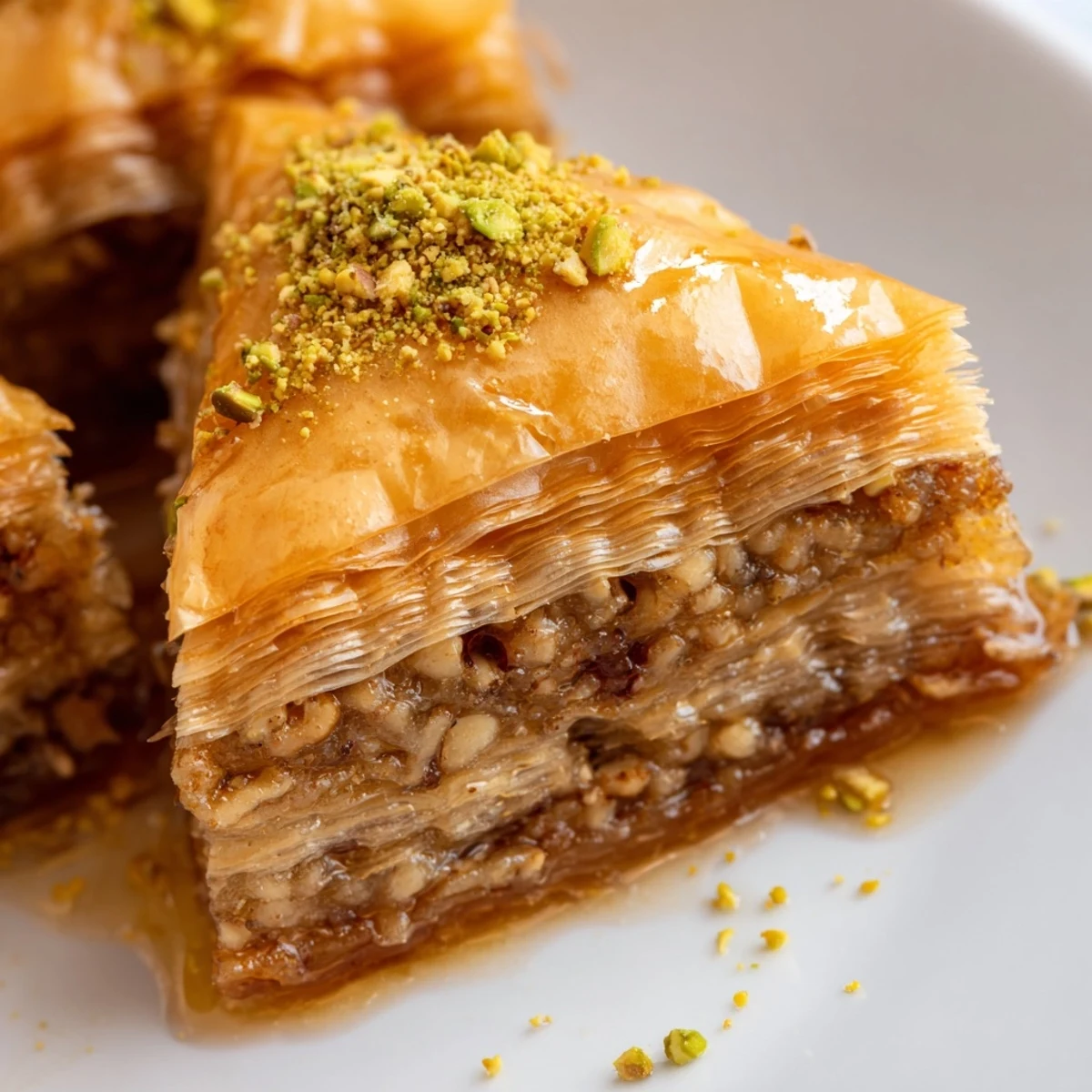
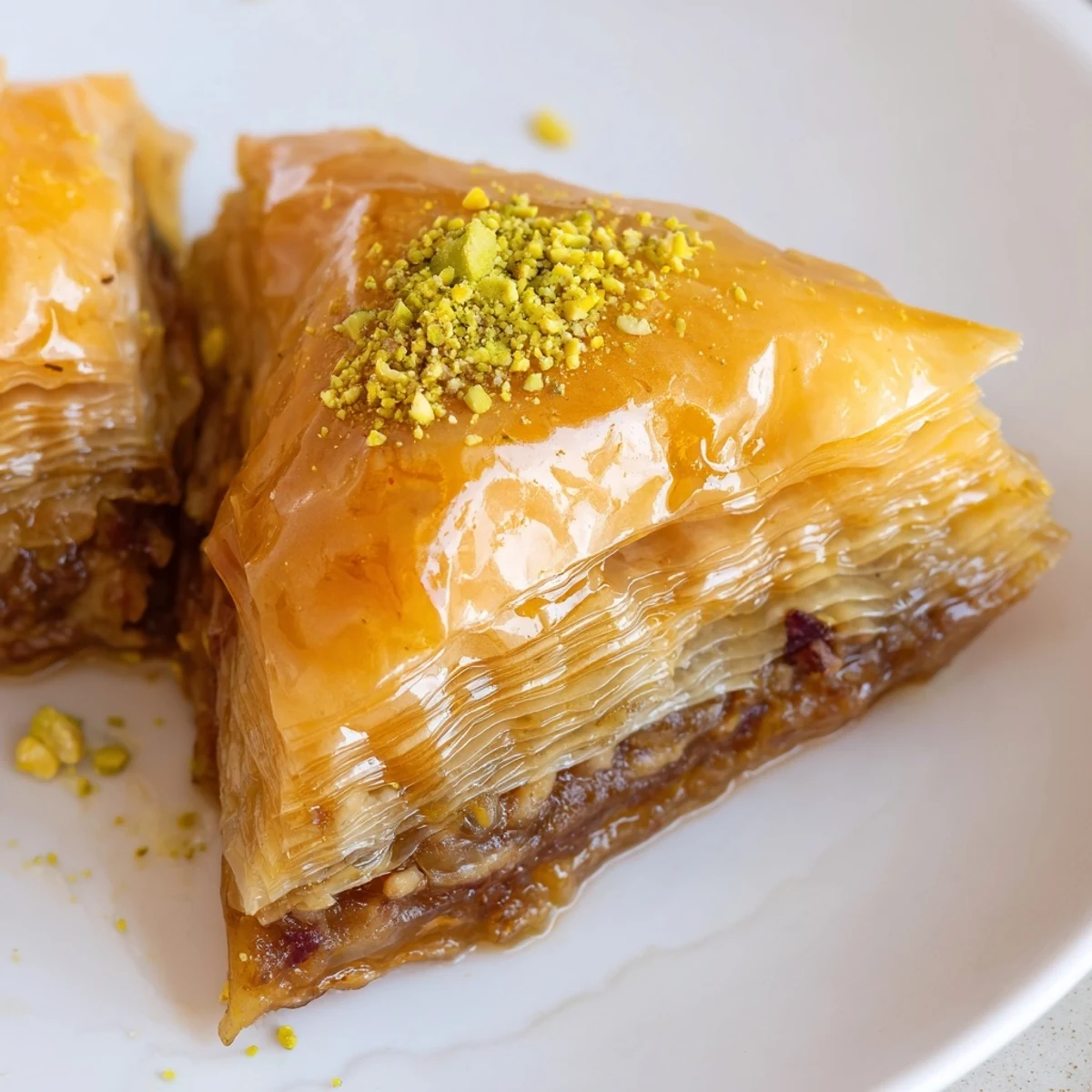
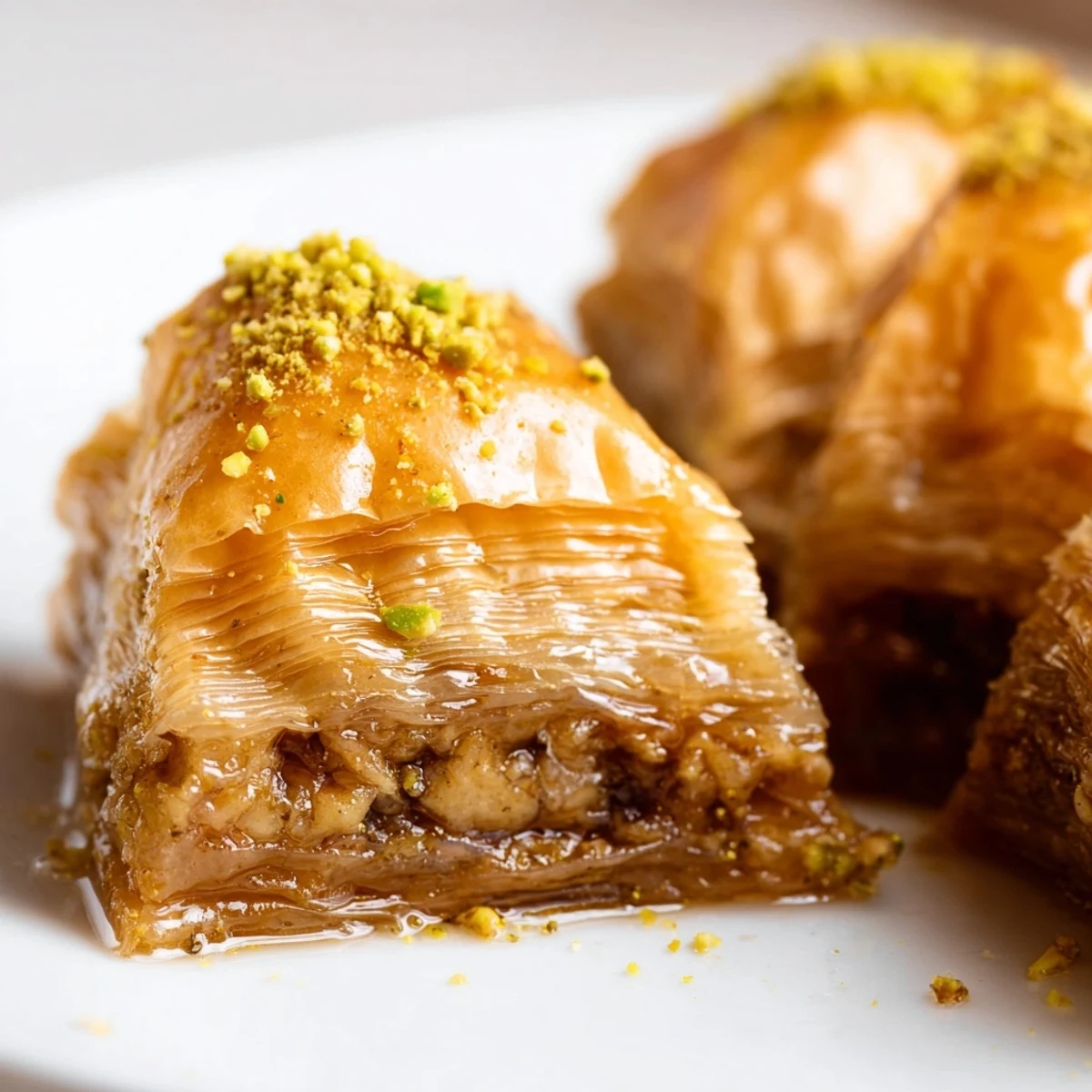
Save This traditional Bosnian dessert creates an irresistible combination of textures and flavors. Thin sheets of buttery phyllo dough are layered with a fragrant mixture of finely chopped walnuts, almonds, and pistachios, sweetened with sugar and warming spices like cinnamon and cloves. After baking until golden and crisp, hot syrup made from sugar, honey, and citrus is poured over the pastry, allowing it to soak in and create that signature moist, sweet finish. The result is a decadent treat with perfectly crispy layers and a rich, syrupy sweetness that's ideal for serving at celebrations, holidays, or alongside strong Bosnian coffee.
The afternoon sun streamed through my grandmother's kitchen window as I watched her transform a stack of delicate phyllo sheets into something magical. Her hands moved with practiced ease, brushing butter across paper-thin dough that seemed to whisper in the warmth. I was eight years old, perched on a wooden chair, mesmerized by how something so simple could become so extraordinary. That day I learned that Bosnian baklava isn't just dessert, it's patience wrapped in sweetness.
Last winter, during a fierce snowstorm that kept us housebound for three days, I finally attempted my grandmother's recipe on my own. My kitchen filled with cinnamon and melting butter, carrying me back to that sunlit afternoon. When I pulled the golden tray from the oven, my husband wandered in, drawn by the scent. We stood over the pan, watching the syrup hiss and bubble as it hit the hot pastry, and I felt her presence beside me, approving.
Ingredients
- Phyllo dough: Keep it covered with a damp cloth while working to prevent drying and cracking
- Walnuts: Finely chopped by hand for texture or pulsed in a food processor for even distribution
- Almonds: Their mild sweetness balances the earthy walnuts beautifully
- Pistachios: Optional but adds lovely color and a slightly resinous flavor
- Sugar: Dissolves into the nuts creating a spiced, caramelized layer as it bakes
- Cinnamon and cloves: Warm spices that evoke traditional Bosnian flavor profiles
- Unsalted butter: Melted and brushed generously, this creates the essential crisp layers
- Syrup ingredients: The hot syrup meeting hot pastry is what makes baklava properly absorb and stay crispy
Instructions
- Prepare your oven and pan:
- Preheat to 180°C (350°F) and generously butter a 23x33 cm baking dish, getting into every corner.
- Mix the spiced nut filling:
- Combine walnuts, almonds, pistachios, sugar, cinnamon, and cloves in a large bowl until evenly distributed.
- Layer the foundation:
- Place one phyllo sheet in the pan, brush lightly with butter, and repeat until you have 6 to 8 buttered sheets.
- Add the first nut layer:
- Sprinkle one third of your nut mixture evenly across the phyllo, reaching almost to the edges.
- Build the middle layers:
- Add 4 to 5 more buttered phyllo sheets, then another third of nuts, then repeat with another 4 to 5 sheets and remaining nuts.
- Finish with top layers:
- Complete with remaining phyllo sheets, buttering each one thoroughly, including the very top layer.
- Cut before baking:
- Using a sharp knife, slice completely through the layers into diamonds or squares before the pastry goes into the oven.
- Bake until golden:
- Bake for 35 to 40 minutes until the baklava is deeply golden and crisp throughout.
- Prepare the fragrant syrup:
- While baking, combine sugar, water, and lemon juice in a saucepan and boil for 8 to 10 minutes, then stir in honey and rose water off the heat.
- The crucial final step:
- Pour the hot syrup evenly over the hot baklava immediately upon removing from the oven, letting it cool completely to absorb fully.
 Save
Save My friend Amir visited from Sarajevo last spring and told me that in his family, baklava marks every celebration, from births to weddings to the first day of school. He said the best baklava is made the day before serving, when all those layers have had time to become acquainted with the syrup. Now I always make mine ahead, letting patience work its magic.
The Secret to Perfect Phyllo
Working quickly but gently is the key to handling phyllo without tears. Keep the stack covered with a barely damp cloth, removing only what you need. If a sheet rips, don't panic, simply patch it and continue, as the butter and layers will hide any imperfections.
Making It Your Own
Traditional Bosnian baklava typically favors walnuts, but I've seen beautiful variations with hazelnuts or a mixture of whatever nuts are most plentiful. The spice blend can shift too, some families adding a pinch of cardamom or nutmeg for warmth and complexity.
Serving and Storing
Baklava demands a proper companion, usually small cups of thick Bosnian coffee or strong black tea. The bitterness balances the sweetness perfectly. Store pieces in an airtight container at room temperature and they'll stay crisp for at least a week, though they rarely last that long in my house.
- Let baklava cool completely in the pan before attempting to remove pieces
- Bring it to room temperature before serving if refrigerated
- A light dusting of powdered sugar right before serving adds a snowy finish
 Save
Save Every time I make baklava, I'm transported back to that sunlit kitchen, learning that some recipes are worth every careful, deliberate step. Share it with someone you love.
Recipe FAQs
- → How long should baklava cool before serving?
-
Allow the baklava to cool completely at room temperature for at least 2-3 hours after pouring the syrup. For best results, let it rest overnight so the syrup fully absorbs into the phyllo layers, creating the ideal texture and moisture balance.
- → Can I make baklava ahead of time?
-
Yes, baklava actually improves when made a day ahead. The flavors meld together beautifully, and the syrup has time to penetrate every layer. Store in an airtight container at room temperature for up to a week, making it perfect for preparing in advance for gatherings.
- → What nuts work best in this baklava?
-
Walnuts form the traditional base, complemented by almonds for depth and pistachios for color and subtle flavor. You can adjust ratios to your preference or substitute hazelnuts. Keep nuts finely chopped for even distribution and proper layering between the delicate phyllo sheets.
- → Why pour hot syrup over hot baklava?
-
Pouring hot syrup over freshly baked baklava ensures maximum absorption. The heat helps the syrup penetrate deeply into the layers, creating that characteristic moistness throughout. This technique prevents soggy bottoms while ensuring every layer gets properly infused with sweetness.
- → How do I keep phyllo dough from drying out?
-
Work quickly and keep unused phyllo covered with a slightly damp cloth or plastic wrap. Brush each layer generously with melted butter as soon as it's placed in the pan. This creates a protective barrier that prevents the delicate sheets from becoming brittle or dry during assembly.
- → What's the best way to cut baklava?
-
Use a sharp knife to cut through all layers before baking. Traditional diamond shapes start by cutting straight lines lengthwise, then diagonal cuts at 45-degree angles. Cutting before baking ensures clean edges and prevents the crisp layers from shattering when sliced after cooking.