
 Save
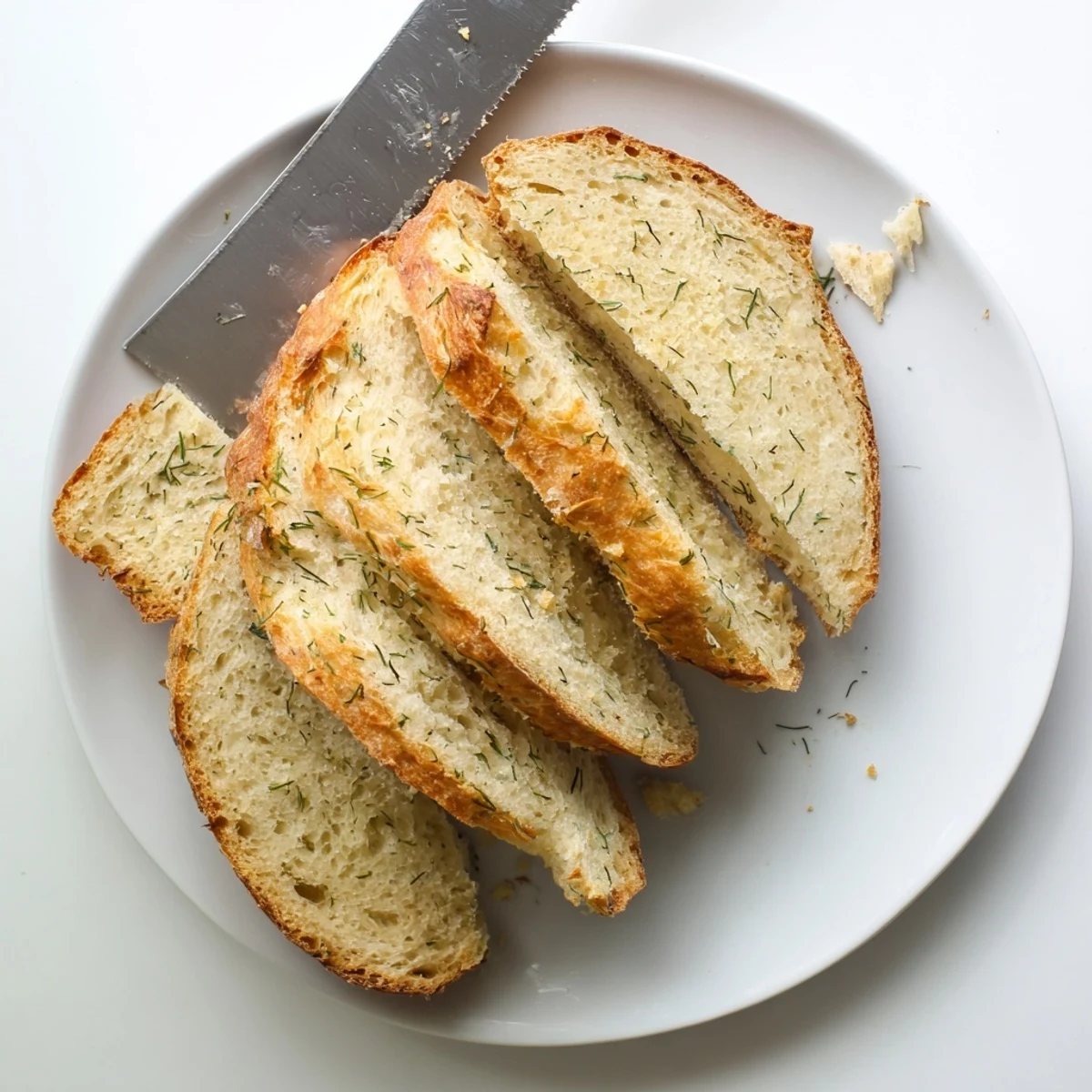
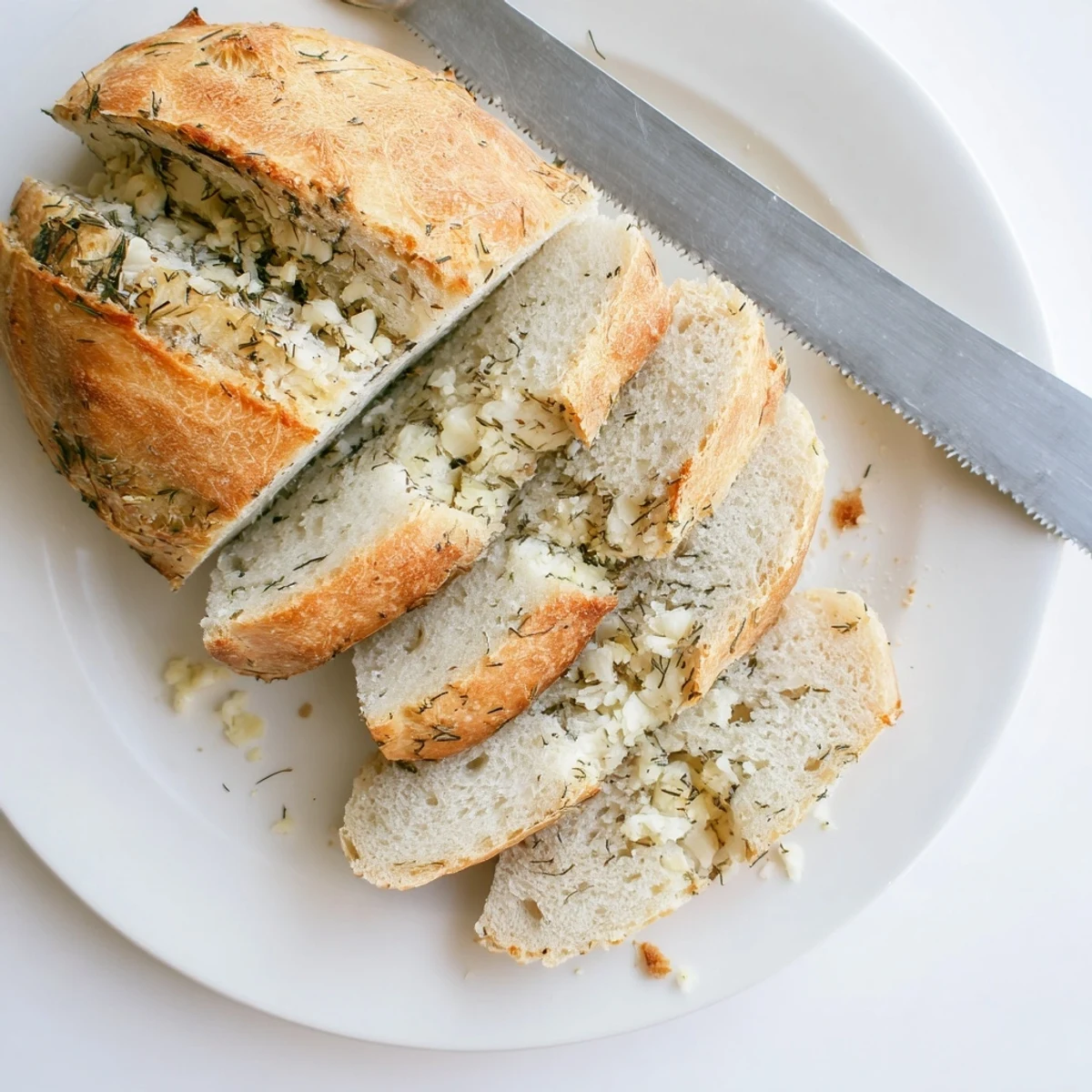
Save Craft a stunning European-style loaf without the labor of traditional kneading. This artisan bread combines the aromatic brightness of fresh dill with rich, nutty Gouda cheese, creating a fragrant dough that develops deep flavors during an overnight rise. The result is a bakery-worthy creation with a crackling golden crust and pillowy interior dotted with savory cheese throughout. Perfect alongside hearty soups, toasted for breakfast, or as the foundation for elevated sandwiches.
The smell of dill and melting cheese still takes me back to my tiny first apartment kitchen. I had no idea what I was doing with yeast, but this dough somehow forgave every mistake. Now it's the bread I make when I want people to think I'm better at baking than I actually am.
My sister-in-law once ate three slices standing at the counter, claiming she was just quality control. Now she requests this loaf every time she visits. There's something about tearing into that steaming hot bread with cheese stretching everywhere that makes people forget their table manners.
Ingredients
- Bread flour: The higher protein content gives you that beautiful open crumb structure and chewy texture
- Instant yeast: No proofing needed, just mix it right in with the flour
- Gouda cheese: Coarsely grate it yourself for better melting pockets throughout the loaf
- Fresh dill: The frilly leaves release more flavor when finely chopped
- Lukewarm water: Think bathwater temperature, around 100°F to wake up the yeast
Instructions
- Mix the dry base:
- Whisk together your flour, salt, and yeast in a large bowl until everything looks evenly combined
- Add the flavor:
- Fold in the grated Gouda, chopped dill, and pepper until the cheese is distributed throughout the flour mixture
- Bring it together:
- Pour in the warm water and stir with a spatula until you have a shaggy, sticky dough that looks like a mess
- Let it work:
- Cover the bowl tightly and leave it alone for 12 to 18 hours until it's bubbly and doubled in size
- Shape the loaf:
- Turn the dough onto a floured surface and gently fold the edges toward the center to form a round
- Rest again:
- Place the dough seam-side down on parchment and cover with a towel for 30 to 60 minutes
- Heat your pot:
- Put your Dutch oven in the oven and crank the heat to 450°F for at least 30 minutes
- Bake covered:
- Transfer the dough into the hot pot, score the top, and bake with the lid on for 30 minutes
- Crisp it up:
- Remove the lid and bake another 15 to 20 minutes until the crust is deeply golden
- Wait patiently:
- Cool completely on a wire rack for at least an hour before slicing into it
 Save
Save This bread turned a quiet Tuesday dinner into something that felt like a celebration. We tore off pieces while they were still too hot to handle, burning our fingers and not caring one bit. Some foods are just worth the pain.
The Dutch Oven Secret
That heavy pot traps steam from the dough, creating the professional bakery crust you usually only get from commercial ovens. The lid keeps the moisture in during the first half of baking, then removing it lets the crust develop that gorgeous golden color and satisfying crunch.
Cheese Choices
Gouda melts beautifully and adds a subtle sweetness that plays perfectly with dill. Cheddar works if that's what you have, but it'll be sharper. Emmental gives you those classic cheese pockets and a nuttier flavor profile.
Make It Your Own
This dough is incredibly forgiving and welcomes all kinds of additions. Once you've made the basic version a few times, start experimenting with what you love.
- Add lemon zest for brightness that cuts through the rich cheese
- Mix in chopped scallions for an extra savory kick
- Try different hard cheeses like aged gouda for deeper flavor
 Save
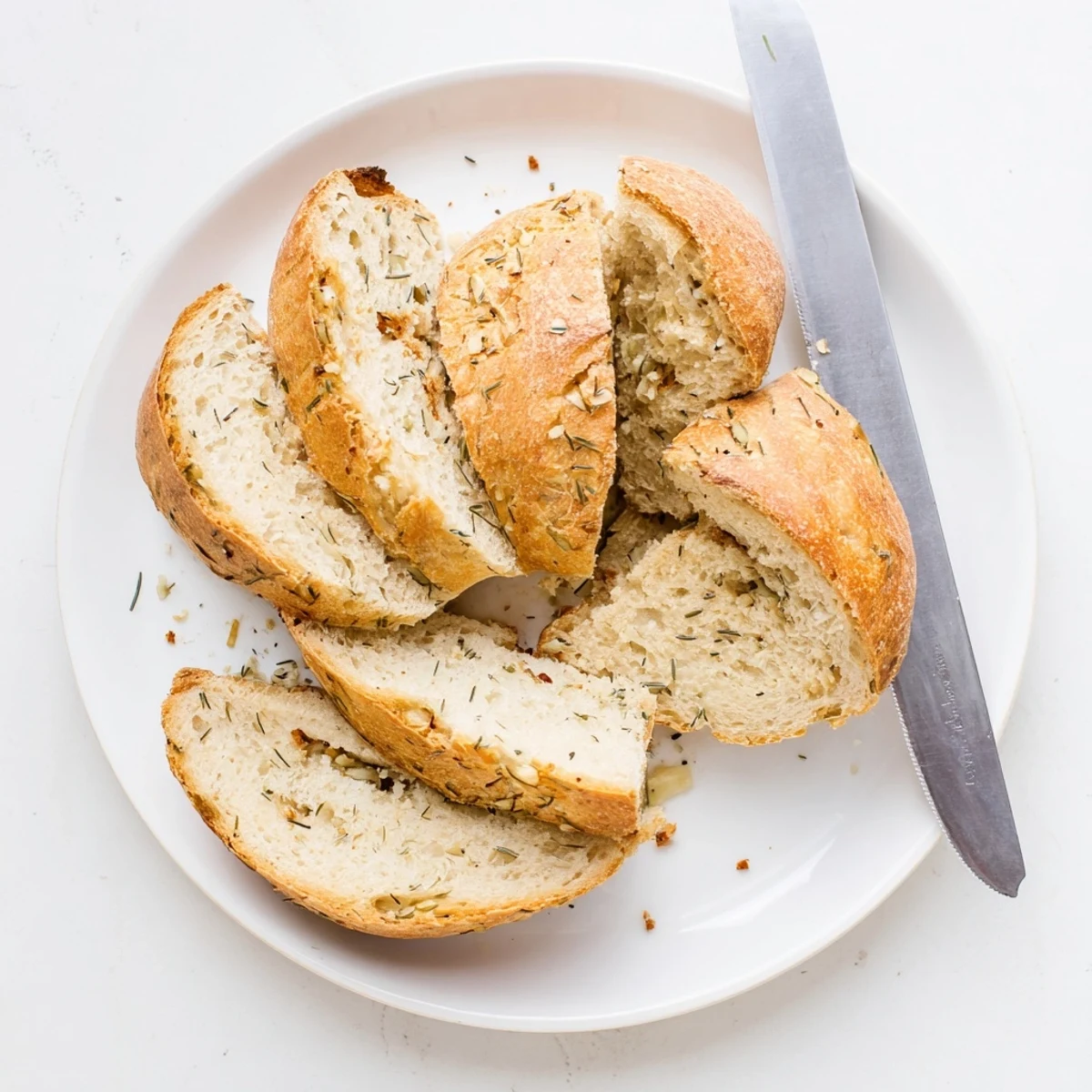
Save There's nothing quite like the sound of a fresh loaf crackling as it cools on the counter. This bread turns ordinary moments into something worth savoring.
Recipe FAQs
- → Can I use dried dill instead of fresh?
-
Yes, substitute 1 tablespoon of dried dill for the 3 tablespoons of fresh dill. The flavor will be slightly more concentrated, so you may want to start with a smaller amount and adjust to taste.
- → What other cheeses work well in this dough?
-
Aged cheddar, Emmental, Gruyère, or smoked provolone make excellent alternatives to Gouda. Choose cheeses that melt well and have pronounced flavors to stand out in the finished loaf.
- → Why does the dough need to rise for so long?
-
The extended 12–18 hour fermentation develops complex flavors, creates the characteristic airy crumb, and allows enzymes to break down starches for better texture. This slow rise also enhances the natural sweetness of the flour.
- → Can I bake this without a Dutch oven?
-
A Dutch oven creates steam for a crispy crust, but you can use a baking stone or sheet pan. Place a metal pan of water on the bottom rack to generate steam, and cover the loaf with a large metal bowl for the first 30 minutes.
- → How do I store this bread?
-
Wrap the cooled loaf in a cloth or paper bag and store at room temperature for up to 2 days. For longer storage, slice and freeze in a sealed bag for up to 3 months. Avoid refrigeration, which accelerates staling.