
 Save
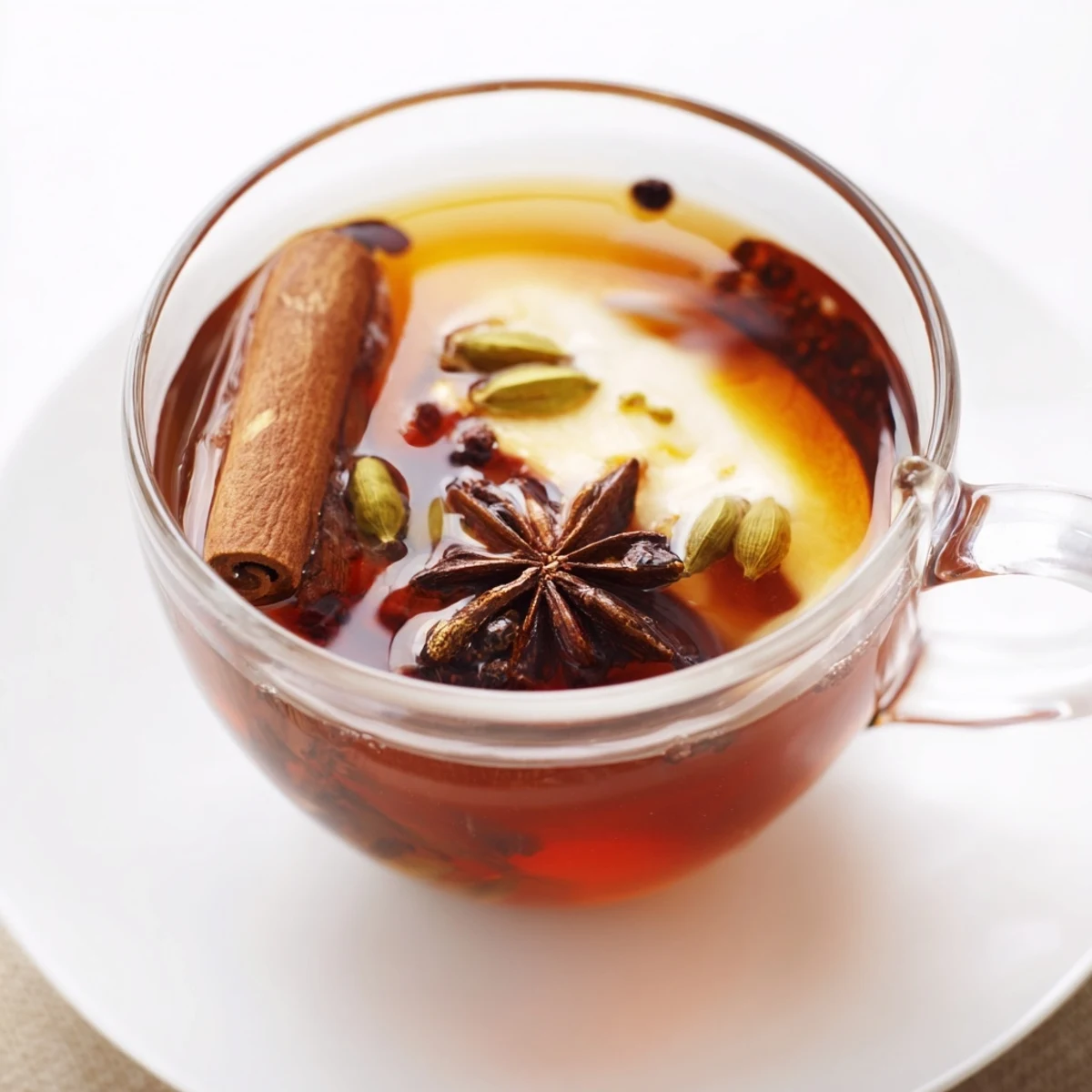
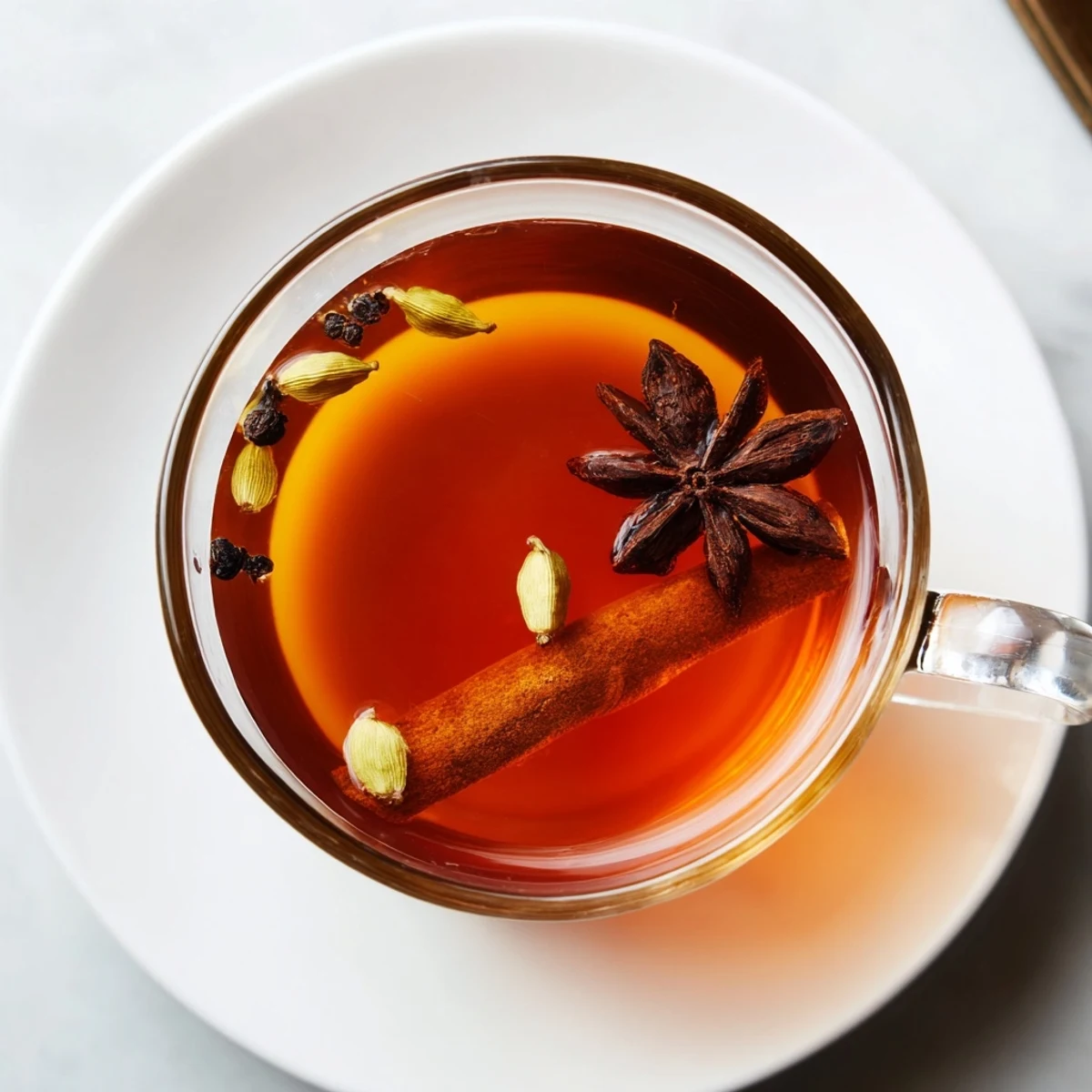
Save This aromatic tea features a warming blend of cinnamon, cardamom, cloves, ginger, peppercorns, and star anise steeped with black tea. Simmered gently, then enriched with milk and sweetener, it creates a comforting, flavorful beverage ideal for quiet mornings or afternoon relaxation. Vegan options are possible by using plant-based milk and sweeteners. Subtle spice variations and serving suggestions enhance a traditional experience. Ready in under 15 minutes, this comforting blend balances spice and sweetness perfectly.
There's something about the ritual of chai that pulls you into the kitchen without thinking. My grandmother used to make this spiced tea on afternoons when the light turned golden, and the whole house would fill with the smell of cinnamon and cardamom before the kettle even whistled. I'd watch her crack the cardamom pods between her fingers, listening for that specific pop, and somehow the tea always tasted better when you could hear her talk about which spice did what. Now when I make it, I'm not just brewing tea—I'm recreating that exact moment of warmth and attention.
I made this for my friend Maya on a freezing Tuesday when she showed up exhausted from work, and she sat at my kitchen counter not saying much until she took that first sip. Something shifted in her shoulders, and she closed her eyes like she'd traveled somewhere safe. That's when I realized this wasn't just tea—it was permission to slow down, to sit, to let the warmth do its job.
Ingredients
- Water: Four cups is your base, and don't skip the boiling part—the spices need aggressive heat to wake up and release everything they're holding.
- Cinnamon sticks: The backbone of the whole thing, bringing warmth that creeps up on you instead of hitting you all at once.
- Green cardamom pods: Crush them just enough to crack the shell—you want them to open gently, not explode their flavor all at once.
- Cloves: Use exactly six unless you love intensity; they're the bold friend who can easily take over the conversation.
- Fresh ginger: Slice it thin so it releases its sharpness into the water without overwhelming the other spices.
- Black peppercorns: These add a subtle bite that makes the other flavors sharper and more interesting.
- Star anise: Optional, but it brings a licorice sweetness that lingers at the end like a secret.
- Black tea: Loose leaf is better than bags, but bags work if that's what you have—just don't let it go longer than three minutes or it turns bitter.
- Milk: Dairy or plant-based, cold from the fridge, because it rounds out all that spice and makes everything feel balanced.
- Sugar or honey: Taste as you go; some days you want sweetness to sit quietly in the background, other days you need it louder.
Instructions
- Boil your water and wake up the spices:
- Pour the water into your saucepan and let it come to a rolling boil—you'll know it's ready when it's actually moving, not just steaming around the edges. Add the cinnamon sticks, cardamom, cloves, ginger, peppercorns, and star anise all at once, then turn the heat down to a simmer so they can slowly release their flavor into the water.
- Let the spices steep and mingle:
- Simmer for five minutes while you just stand there and breathe in—this is the part where your kitchen transforms into something that smells like someone who has their life together. You'll see the water start to change color, getting warmer and deeper, and that's exactly what you want.
- Add the tea and let it steep:
- Pour in your black tea and give it two to three minutes, no more—this is where patience matters because oversteeping makes everything taste like regret. You want flavor, not tannins, so keep an eye on the clock.
- Stir in milk and sweetness:
- Take the saucepan off the heat, pour in your cold milk, and add sugar or honey to taste—the milk will cool things down just enough that you're not burning your mouth. Simmer everything together for one more minute so the flavors get to know each other.
- Strain and serve immediately:
- Pour it through a fine strainer into cups, watching the liquid catch the light as it falls. Serve it hot, in something that feels good to hold.
 Save
Save My partner used to say he didn't like tea until I made this, and now he requests it on mornings when he needs to think through something difficult. There's something about spiced tea that makes conversations easier, like the warmth and the spice together create the right conditions for honesty and listening.
The Story Behind Spiced Tea
This isn't a new recipe—it's been made in kitchens across India and beyond for generations, passed down through families who understood that the right combination of spices could transform a simple cup into something meditative. Every region has its own version, with different ratios and different additions, but they all share the same idea: that you slow down, that you notice the process, and that you drink it with intention. What makes this version mine is how I learned to listen to the simmering water and the way the aroma tells you when everything is ready, without needing a timer.
Variations Worth Trying
Once you understand how the basic spices work together, you can start experimenting without fear of ruining anything. Some additions that completely change the mood: nutmeg brings earthiness and depth, fennel adds a subtle sweetness that makes the tea feel almost dessert-like, and a tiny pinch of black salt (if you can find it) adds a complexity that keeps you wondering what that flavor is. You can also make it stronger by adding an extra cardamom pod or lighter by cutting back on the ginger, depending on what you're in the mood for that day.
Making It Your Own
The thing about spiced tea is that it's forgiving enough to make it yours without breaking anything fundamental. The ratios I've given you are a starting point, not a rule, and the best way to learn is by making it a few times and paying attention to what you like. Keep notes if you're the type to do that, or just remember in your body how the cup felt when you added one more clove, or what happened when you used honey instead of sugar. Over time, you'll develop a sense for exactly how this tea should taste in your kitchen, with your water and your spices and your hands pouring it.
- If you're making this for guests, prepare the spice-infused water ahead of time and keep it warm so you only need to add tea and milk at the last minute.
- Save leftover spice-infused water in a jar in the fridge and reheat it the next morning—it tastes just as good the second time around.
- The best moment to drink this is while it's hot and the aroma is still rising, so don't let it sit for more than a minute after you pour it.
 Save
Save This tea is one of those rare things that improves your life in small ways every time you make it—it's practical but it doesn't feel rushed, it's simple but it tastes like someone cared. That's the whole point.
Recipe FAQs
- → How long should the spices be simmered to release their flavors?
-
Simmer the cinnamon, cardamom, cloves, ginger, peppercorns, and star anise for about 5 minutes to fully extract their aromatic flavors.
- → Can plant-based milk be used instead of dairy?
-
Yes, plant-based milk works well and is recommended for a vegan variation without altering the warming taste.
- → What sweeteners are suitable for this beverage?
-
Sugar, honey, or any preferred sweetener can be used to balance the spices to taste.
- → Is it possible to adjust the spice blend?
-
Absolutely. Additional spices like nutmeg or fennel can be added to customize the flavor profile.
- → What serving suggestions complement this beverage?
-
Serving with biscuits or light snacks enhances the traditional experience and pairs nicely with the aromatic blend.