
 Save
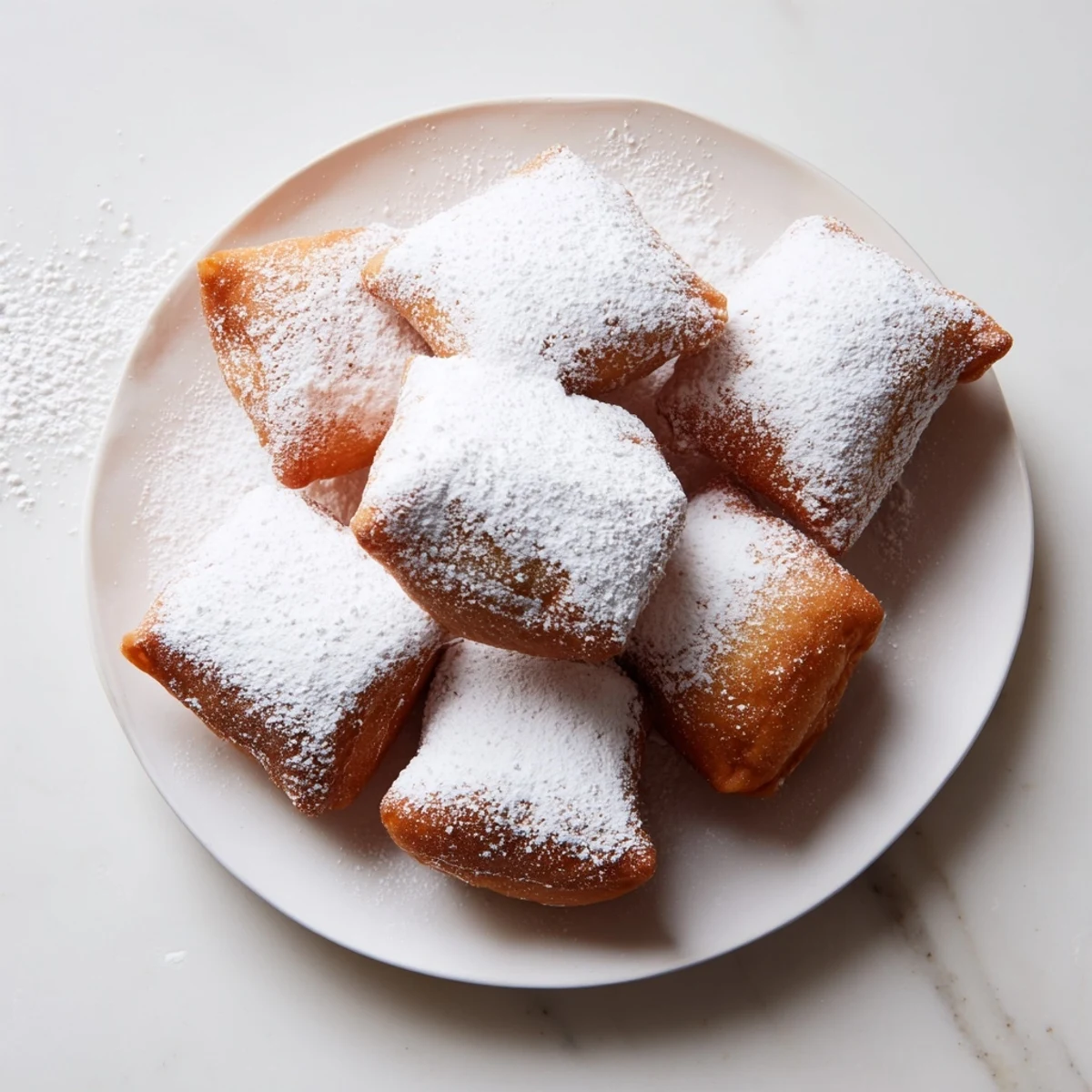
Save Create authentic vanilla French beignets with this straightforward method. These light, pillowy pastries feature a delicate vanilla flavor and generous dusting of powdered sugar. The dough requires simple pantry staples and comes together quickly with a stand mixer. After rising, cut into squares and fry until golden brown. Best served warm immediately after cooking, these beignets offer that signature crisp exterior with soft, airy interior that makes them beloved worldwide.
The morning I attempted beignets for the first time, my kitchen looked like a crime scene of powdered sugar. Id just come back from New Orleans with determination in my heart and about three pounds of flour I intended to use. My roommate walked in, took one look at the white dusted counters, and asked if wed had a snowstorm indoors. Those first few were hockey pucks, but by the third batch, something magical happened.
Last Christmas morning, I made these for my family while everyone else was still waking up. The smell of frying dough and vanilla drifted through the house, pulling people into the kitchen before they even had coffee. My dad, who claims he doesnt have a sweet tooth, ate six standing at the counter. Now theyre requested for every holiday brunch.
Ingredients
- 3 1/2 cups all purpose flour: This creates the structure for pillowy results. Measure by weight if you can for consistency
- 1/4 cup granulated sugar: Just enough sweetness to balance the yeast without making them dessert sweet
- 2 1/4 tsp active dry yeast: One standard packet gives perfect rise. Check the expiration date or your dough wont puff properly
- 1/2 tsp salt: Essential for flavor balance. Dont skip it even if you usually reduce salt in recipes
- 3/4 cup whole milk: The fat content matters here. Skip low fat versions or the texture suffers
- 1/4 cup warm water: Should feel like bathwater, about 105F. Too hot kills the yeast, too cold slows it down
- 2 large eggs: Room temperature eggs incorporate better into the dough. Set them out 30 minutes before starting
- 1/4 cup unsalted butter: Melt it first, then let it cool slightly so it doesnt scramble the eggs
- 2 tsp pure vanilla extract: The secret ingredient that elevates these from doughnut to something special
- 4 cups vegetable oil: Any neutral oil works. Canola, grapeseed, or peanut oil all give clean results
- 1 cup powdered sugar: Generous dusting is non negotiable. Sift it right before serving for the lightest coating
Instructions
- Wake up the yeast:
- Stir yeast into warm water and wait 5 minutes until it bubbles and foams. This tells you the yeast is alive and ready to work.
- Combine the dry foundation:
- Whisk flour, sugar, and salt together in your stand mixer bowl. Even distribution now prevents weird texture later.
- Build the dough:
- Pour in the yeast mixture, milk, eggs, melted butter, and vanilla. Mix on medium speed with the dough hook for 5 to 7 minutes until smooth and slightly sticky. Resist adding more flour.
- First rise:
- Move dough to an oiled bowl, cover with plastic, and tuck it somewhere warm for 1 to 1 1/2 hours. Doubling in size means the yeast did its job.
- Shape the squares:
- Punch down gently, roll to 1/2 inch thickness on a floured surface, and cut into 2 inch squares. Ruler optional but helpful for even sizing.
- Second rise:
- Arrange on parchment paper, cover loosely, and let them puff for 30 minutes. This second rest makes them light instead of dense.
- Heat the oil:
- Bring oil to 350F in a heavy pot. Too hot burns the outside before the inside cooks. Too cool makes them greasy.
- Fry to golden:
- Cook 1 to 2 minutes per side until deep golden brown. Work in batches and dont crowd the pot or the oil temperature drops.
- Dust immediately:
- Let drain briefly on paper towels, then coat with powdered sugar while still warm. The sugar clings better to hot surfaces.
 Save
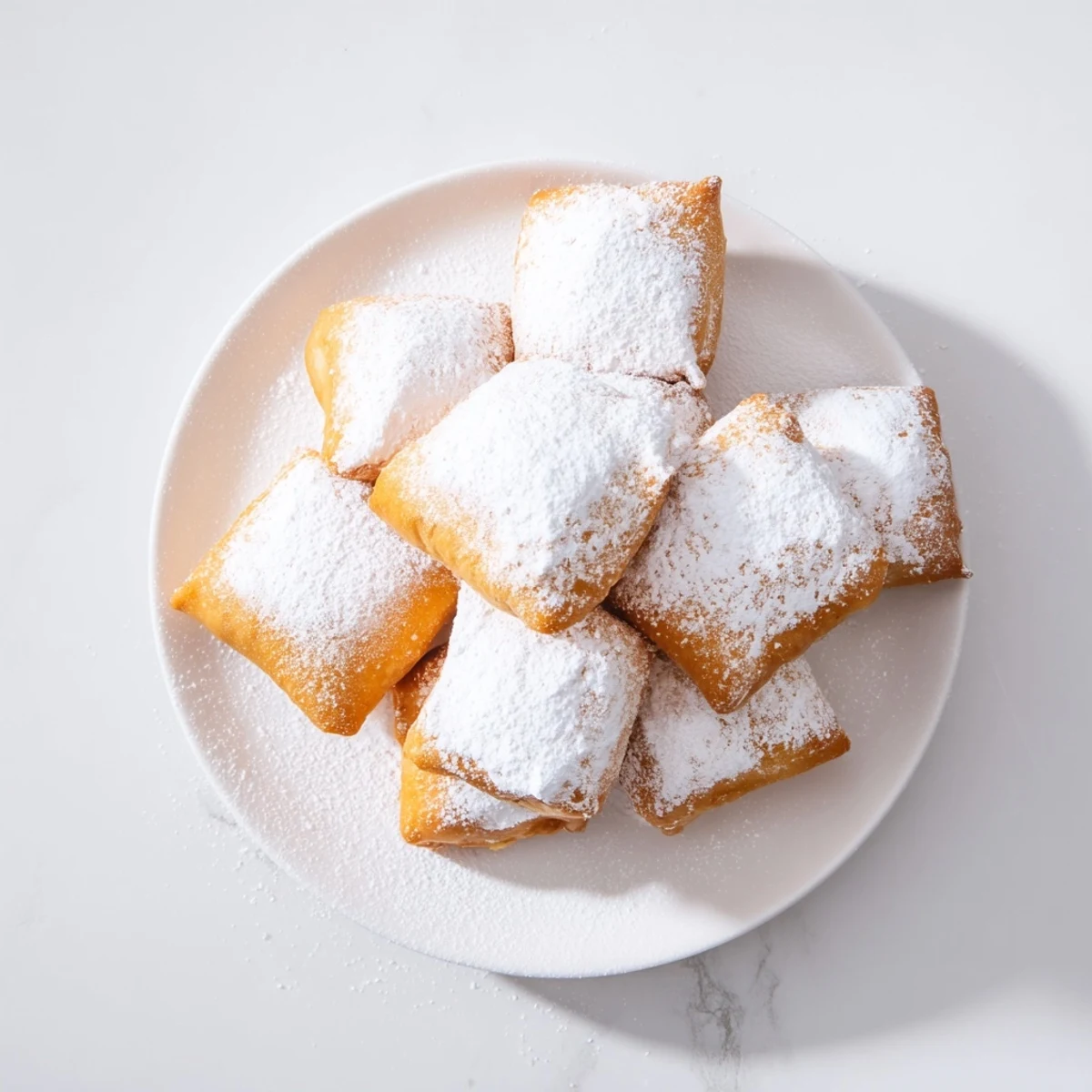
Save My friend Sophie refuses to make these with me anymore because we both end up eating too many, standing over the cooling rack and burning our fingers. Theres something about the combination of hot fried dough and vanilla that makes self control impossible. Last time we made them for a brunch party, the guests ate every single one before the coffee was even poured.
Getting The Rise Right
The temperature of your kitchen affects rising time more than you expect. In winter, I turn my oven on for 2 minutes, then turn it off and let the dough rise inside. The residual warmth creates the perfect environment without being too hot. In summer, a shady counter works fine. The dough should feel alive and puffy under your fingers.
Frying Without Fear
Deep frying intimidates everyone at first. The key is maintaining oil temperature and not walking away. Use a thermometer and adjust your heat as needed. If the beignets brown too quickly, lower the flame. If they take forever, raise it slightly. Youll develop a rhythm after the first few batches.
Serving Suggestions
These are spectacular with a strong cup of cafe au lait, just like they serve in the French Quarter. The bitterness cuts through the richness perfectly. I also love them with fresh berries on the side when theyre in season. If you want to get fancy, serve with small dishes of honey or warm chocolate sauce for dipping.
- Mix cinnamon into half the powdered sugar for a spiced variation
- Lemon zest in the dough adds bright notes that cut the richness
- Reheat leftovers in a 350F oven for 5 minutes, never the microwave
 Save
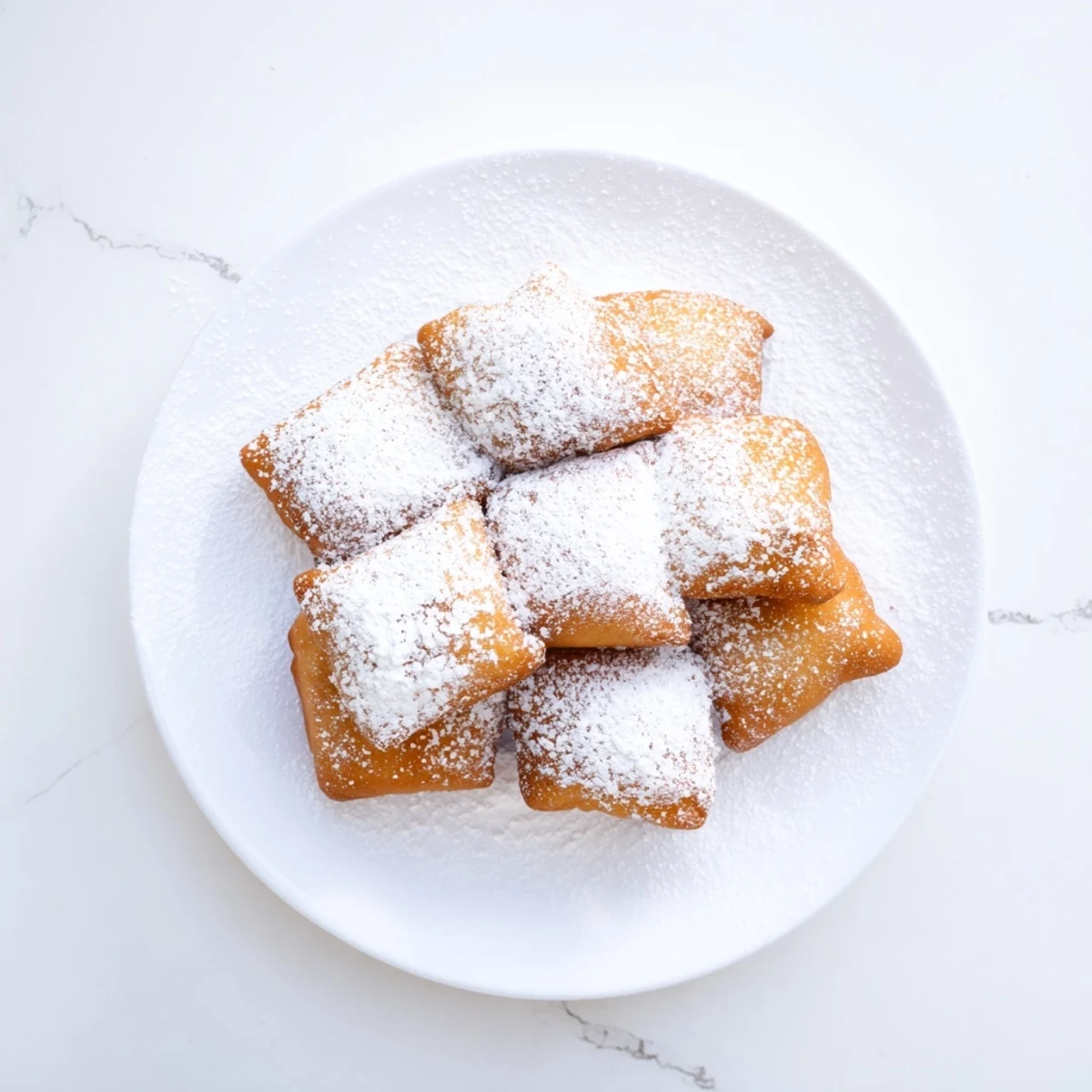
Save These vanilla beignets have become my go to special occasion treat because they bring people into the kitchen like nothing else. Something about watching dough puff in hot oil feels like kitchen magic.
Recipe FAQs
- → What makes beignets different from regular donuts?
-
Beignets are square-shaped French pastries made from a yeast-raised dough, unlike ring-shaped donuts. They're typically lighter and airier inside with a crisp exterior, always served fresh and generously dusted with powdered sugar.
- → Can I make beignet dough ahead of time?
-
Yes, prepare the dough and let it complete its first rise. Punch it down, wrap tightly, and refrigerate overnight. Bring to room temperature before rolling and cutting for frying.
- → Why is my beignet dough too sticky?
-
Beignet dough should be slightly sticky but manageable. If it's too sticky to handle, dust your work surface and rolling pin lightly with flour. Avoid adding too much flour which can make the final product tough.
- → What oil temperature is best for frying beignets?
-
Maintain oil at 350°F (175°C) for optimal results. Too hot and they'll burn outside while remaining raw inside; too cool and they'll absorb excess oil, becoming greasy rather than light and crisp.
- → How do I know when beignets are done frying?
-
Beignets are ready when they're golden brown on both sides and puffed up, typically 1–2 minutes per side. They should feel light when lifted and have a hollow sound when tapped.
- → Can I bake beignets instead of frying?
-
While traditional beignets are fried for that characteristic texture, you can bake them at 375°F (190°C) for 12–15 minutes. Note that baked versions won't achieve the same crispy exterior or light interior.